


-

Add: HeBei ShengShi HongBang Cellulose Technology CO.,LTD.
-

Email
13180486930@163.com -

CONTACT US
+86 13180486930




Low melt polyester staple fiber is carving out a critical niche across various industries due to its unique attributes and versatile applications. This high-performance fiber is revolutionizing the way manufacturers approach product development, blending exceptional functional properties with environmental benefits. Low melt polyester staple fiber (LMPSF) is engineered to combine superb thermal bonding capabilities with excellent mechanical strength . This fiber differs fundamentally from standard polyester fibers because its melting point allows it to integrate seamlessly into various nonwoven fabrics and textile composites. During manufacturing, these fibers are exposed to temperatures just high enough to melt them slightly, bonding the fibers together without compromising the structural integrity of the surrounding materials. This intrinsic bonding capacity makes LMPSF an ideal choice for industries focusing on sustainability and efficiency. One of the most compelling aspects of LMPSF is its significant contribution to eco-friendly manufacturing processes. As industries gravitate towards sustainable practices, LMPSF provides a solution that minimizes the need for chemical adhesives, thereby reducing airborne pollutants and the associated health risks during production. Additionally, these fibers contribute to energy savings by operating effectively at lower temperatures, decreasing the overall energy consumption of manufacturing systems. These eco-centric advantages make LMPSF an appealing choice for manufacturers committed to reducing their carbon footprint while maintaining product quality and performance. Moreover, LMPSF's versatility extends into a wide array of applications, serving sectors such as automotive, construction, hygiene products, and even fashion. In the automotive industry, for example, these fibers are used to produce lightweight yet durable interior components—enhancing fuel efficiency through weight reduction without sacrificing safety or aesthetic quality. The construction industry benefits from LMPSF through its usage in geotextiles, which provide erosion control and soil stabilization, offering increased longevity and reliability for infrastructure projects. From a technical perspective, the fiber's strong resistance to wear and environmental stressors makes it a preferred choice for high-demand applications. In hygiene product manufacturing, LMPSF is utilized in products like diapers and sanitary napkins, ensuring comfort and safety due to its hypoallergenic properties and non-toxic nature. Furthermore, the fashion industry leverages LMPSF in innovative ways—creating garments that are lightweight, breathable, and resistant to wrinkles, thus enhancing product durability and consumer satisfaction. low melt polyester staple fiber Expertise in handling LMPSF is crucial for manufacturers aiming to maximize its potential. Industry specialists, through rigorous testing and application trials, have established best practices to optimize the fiber's bonding properties and integrate it effectively into existing production lines. The development of sophisticated blending techniques ensures that products maintain a delicate balance between softness and structural integrity, which is pivotal in applications like upholstery and home textiles. In terms of authoritativeness, manufacturers and suppliers with extensive experience and strong track records in LMPSF production stand out. They invest in advanced research and development programs and adherence to stringent quality standards to continually enhance fiber performance. Such commitments to quality and innovation solidify their position as leaders within the industry, instilling confidence among their clients regarding the delivery of reliable and high-quality products. Trustworthiness in the industry is underscored by transparency and compliance with regulatory standards. Reputable suppliers of LMPSF not only comply with international safety and environmental regulations but also engage in voluntary certifications that highlight their dedication to sustainability and product excellence. This level of transparency ensures that clients receive products that are not only effective but ethical, reinforcing long-term business relationships built on trust. In conclusion, low melt polyester staple fiber is not merely a product; it represents a forward-thinking approach to manufacturing that aligns with contemporary demands for efficiency, sustainability, and high performance. By fostering innovation and adhering to the highest standards of quality, LMPSF continues to redefine industry benchmarks and spur significant advancements across multiple sectors, setting a precedent for future developments in fiber technology.
- 40000tons

Production
- 20+years

Experience
- 5000+㎡

Acreage

-
The gypsum retarder chemical is a crucial component in the world of plastering and construction. Gypsum, widely used in drywall and other building materials, has a natural tendency to set quickly. This is where a gypsum retarder chemical comes in—helping to slow down the setting time of gypsum-based materials. It allows for more flexibility during the application process, ensuring that workers have ample time to smooth, mold, and finish their plaster without the pressure of it hardening too soon. The role of the gypsum retarder chemical is particularly important for large-scale projects or when working in high-temperature environments, where gypsum sets faster than desired. By adding the retarder, contractors and plasterers can achieve smoother finishes and more accurate detailing, giving the end product a higher quality. The chemical's ability to slow down the hydration process makes it indispensable in situations where precision is key. Moreover, the gypsum retarder chemical helps prevent premature hardening, which can lead to cracks and other imperfections. For anyone working with plaster, whether for construction or artistic purposes, this chemical is a vital tool to ensure that the application process goes smoothly and the final result is flawless. Gypsum Plaster Retarder: Enhancing the Workability of Plaster When dealing with gypsum plaster retarder , you are essentially adding a substance that improves the workability of gypsum plaster. This retarder is specifically designed for plaster products, ensuring that they remain pliable for longer periods, thus giving the user more control over the setting time. It is especially useful for projects that require intricate detailing, as the extended work time reduces the risk of imperfections due to the quick setting of the plaster. The gypsum plaster retarder is added in small quantities during the mixing phase, where it interacts with the plaster’s composition to delay the setting reaction. By extending the time before hardening begins, this retarder provides artisans, contractors, and plasterers the ability to manipulate the plaster for a more professional finish. This is particularly beneficial when working with decorative plasterwork or large surface areas where precision and detail matter. In addition to improving the application process, the gypsum plaster retarder also helps maintain the integrity of the plaster. Since it slows down the setting time, it prevents the plaster from becoming too brittle too quickly, which can lead to cracks and breaks in the finished product. With the help of a gypsum plaster retarder , you can ensure your plaster job remains durable and beautiful for years to come. Trisodium Citrate Plaster Retarder: A Versatile Solution for Plastering One of the most widely used chemicals in the plaster industry is trisodium citrate plaster retarder , which has gained popularity due to its effectiveness in controlling the setting time of gypsum. Trisodium citrate plaster retarder works by interacting with the gypsum crystals during the hydration process, slowing down the chemical reaction that causes the plaster to harden. This gives users a longer period to work with the material, making it especially valuable in construction and renovation projects. The primary advantage of using trisodium citrate plaster retarder is its ability to delay the setting time without compromising the quality of the plaster. It can be used in a variety of applications, from simple wall coverings to intricate moldings and ornamental work. The versatility of this retarder ensures that it can be used in both large-scale industrial settings and smaller, more detailed artistic projects. Another benefit of trisodium citrate plaster retarder is that it is environmentally friendly compared to other chemical retarders. As a naturally occurring substance, trisodium citrate is safer for both the environment and the workers handling it. This makes it an excellent choice for those looking to create high-quality plasterwork while maintaining sustainability in their practices. Most Common Retarder in Gypsum: The Key to Perfect Setting Control The most common retarder in gypsum is often the go-to option for professionals in the plastering industry due to its reliability and consistency in performance. While there are various types of retarders available on the market, the most common retarder in gypsum is typically based on chemicals like citric acid or sodium-based compounds, which effectively slow down the hydration process. These compounds are particularly effective in gypsum plaster because they work well within the material’s chemical makeup. The use of the most common retarder in gypsum is not just limited to construction but extends to decorative applications, such as sculpting or making detailed plaster casts. By extending the time it takes for gypsum to set, the retarder allows for greater flexibility, ensuring that complex molds and fine details can be achieved without the material hardening prematurely. Moreover, the most common retarder in gypsum is available in various forms, including powders and liquid solutions, giving users the option to choose the best form for their specific project. Whether you are creating intricate designs or applying a simple plaster coat, this retarder is an invaluable addition to your plastering toolbox. By choosing the most common retarder in gypsum , you can achieve flawless results and meet the high standards expected in the industry. Choosing the Right Gypsum Retarder for Your Project When it comes to choosing the right gypsum retarder, understanding the needs of your specific project is crucial. Whether you are working with gypsum retarder chemical , gypsum plaster retarder , or trisodium citrate plaster retarder , the choice depends largely on the nature of the task at hand. For standard applications, the most common retarder in gypsum will often suffice. However, for more complex projects that require precise control, like decorative plaster work or large-scale construction, a specialized retarder may be necessary. Choosing the right product also depends on factors like environmental conditions. For example, if you are working in a hot, dry climate where gypsum sets quickly, using a high-performance gypsum plaster retarder will help you manage the setting time more effectively. On the other hand, in cooler climates, the need for a retarder may not be as urgent, but it can still improve your efficiency. As a final consideration, ensure that the retarder you choose is compatible with the specific gypsum product you are using. Some gypsum formulations may respond better to one type of retarder over another. Working with a trusted supplier who understands these nuances will help you make an informed decision and achieve the best results for your project. G ypsum R etarder C hemical FAQs What is a gypsum retarder chemical? A gypsum retarder chemical is a substance added to gypsum materials to slow down their setting time. This gives the user more time to manipulate and apply the plaster without worrying about it hardening too quickly. How does trisodium citrate work as a plaster retarder? Trisodium citrate plaster retarder works by slowing down the hydration process of gypsum, preventing it from setting too quickly. This extends the time for application, making it easier to work with and allowing for more intricate and detailed plastering. Is trisodium citrate environmentally friendly? Yes, trisodium citrate plaster retarder is considered environmentally friendly. It is a naturally occurring substance that is safe for both the environment and those using it in plastering applications. Which is the most common retarder used in gypsum? The most common retarder in gypsum is often based on citric acid or sodium compounds. These chemicals effectively slow down the setting time of gypsum, allowing for better control during application. Where can I purchase gypsum retarders for my projects? Our website offers a variety of gypsum retarders including gypsum retarder chemical , gypsum plaster retarder , and trisodium citrate plaster retarder . Visit our site today to choose the best retarder for your needs and enhance the quality of your plastering work.
-
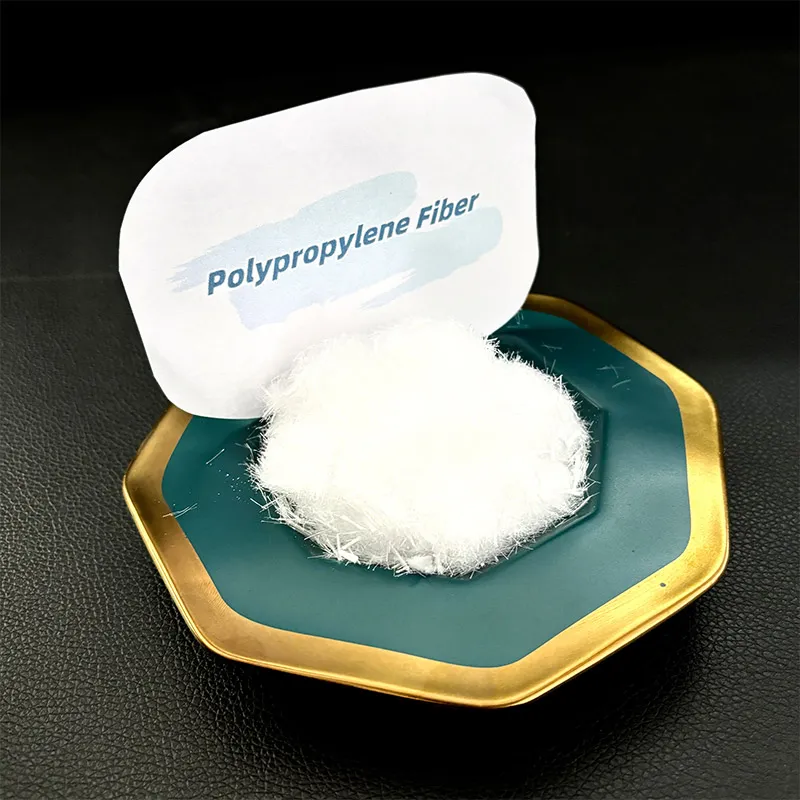
HPMC Monograph Your Comprehensive Guide to Understanding Hydroxypropyl Methylcellulose in Product Formulation Hydroxypropyl Methylcellulose (HPMC) is an essential ingredient in a vast array of industries, from pharmaceuticals to food production, and even household products. With its remarkable versatility and properties, HPMC has become a crucial component for formulators across the globe. This monograph aims to unravel the complexities of HPMC, offering insights based on experience, expertise, and research-backed authority to enhance understanding and trust in its application. HPMC A Multifaceted Polymer HPMC belongs to the class of cellulose ethers, produced through the chemical modification of cellulose, the most abundant biopolymer on Earth. Adding hydroxypropyl and methyl groups to cellulose results in HPMC, a polymer renowned for its solubility in cold water, film-forming abilities, and non-toxic nature. These characteristics make it an invaluable excipient in product formulations. Applications Across Industries 1 . Pharmaceuticals In drug formulation, HPMC plays a pivotal role as a controlled-release agent, binder, and film-coating material. Its ability to form viscous solutions and gels helps maintain drug stability and enhance bioavailability. These properties are crucial for developing both generic and brand-name medications, ensuring consistent therapeutic effects. 2. Food Industry As a food additive, HPMC serves as a thickener, stabilizer, and emulsifier. It is commonly found in products like baked goods, sauces, and low-calorie foods. Its heat and pH stability ensure that textures remain desirable in various culinary applications, offering an enhanced eating experience. 3. Construction Materials In the construction sector, HPMC is utilized in tile adhesives, cement mixtures, and exterior wall coatings. Its water retention and adhesive properties enhance the workability of these materials, providing durable and efficient building solutions. 4. Cosmetics and Personal Care HPMC is used for its film-forming and thickening properties in products such as shampoos, lotions, and creams. It enhances the texture and stability of these formulations, contributing to a positive consumer experience. Expert Insight The Science Behind HPMC's Functionality hpmc monograph The utility of HPMC in various applications is fundamentally linked to its molecular structure and interaction with other formulation components. The degree of substitution and molecular weight of HPMC can be tailored to meet specific application needs. Researchers and product developers must consider viscosity grades and solubility profiles to optimize the performance of HPMC in their formulations. Studies have demonstrated the superior film-forming capabilities of HPMC, noting its resilience and flexibility, which are critical factors in ensuring long-term functionality. Additionally, HPMC's bioadhesive properties make it an excellent candidate for mucoadhesive drug delivery systems, further expanding its versatility in pharmaceutical applications. Building Trust Through Quality and Compliance Ensuring the quality and safety of HPMC is paramount to maintaining trust and authority in its usage. Leading manufacturers adhere to strict regulatory standards, including those set by the FDA and EMA, to ensure that HPMC products meet pharmaceutical, food-grade, and industrial criteria. Regular audits, quality control measures, and adherence to GMP (Good Manufacturing Practice) guidelines are essential to maintaining the credibility of HPMC suppliers. For formulators, choosing a reliable supplier with a proven track record in compliance can significantly impact the success of a product. Sustainability and Future Directions As industries emphasize sustainable practices, the role of biopolymers like HPMC becomes increasingly important. Derived from renewable resources, HPMC aligns with the global shift towards eco-friendly and sustainable product solutions. Innovations in production processes aim to reduce environmental impact while enhancing the efficiency and functionality of HPMC in various applications. Future research may focus on the development of HPMC blends and composites, unlocking new functionalities and expanding its usability across different sectors. By continually pushing the boundaries of what HPMC can achieve, industries can leverage this versatile polymer to drive innovation and meet evolving consumer demands. In conclusion, the HPMC monograph provides a thorough understanding of this essential ingredient, highlighting its multifaceted applications, expert insights into its functionality, and its alignment with quality and sustainability standards. By advancing knowledge and expertise in HPMC, formulators can enhance their product offerings with confidence and effectiveness.
advantages
-

200000 Viscosities
Excellent product
We can produce pure products up to 200,000 viscosities
-

40000 tons
High yield
We don’t stop production all year round, and the annual output can reach 40,000 tons
-

24 hours
Quality service
We provide 24-hours online reception service, welcome to consult at any time
———— Inquiry Form
Schedule A services

-
 high-performance_environment-friendly_rubber_powder_factory
Oct . 25, 2025
Le HPMC 606, connu sous le nom de hydroxypropylmethylcellulose, est un polymère essentiel dans nombr -
 hpmc_e_50
Oct . 25, 2025
Monofilament polypropylene fiber, a remarkable advancement in the field of construction materials, s - hpmc_used_in_tablet
Oct . 25, 2025
Understanding Cellulose Derived from Wood Cellulose is a vital organic compound that forms the struc


